


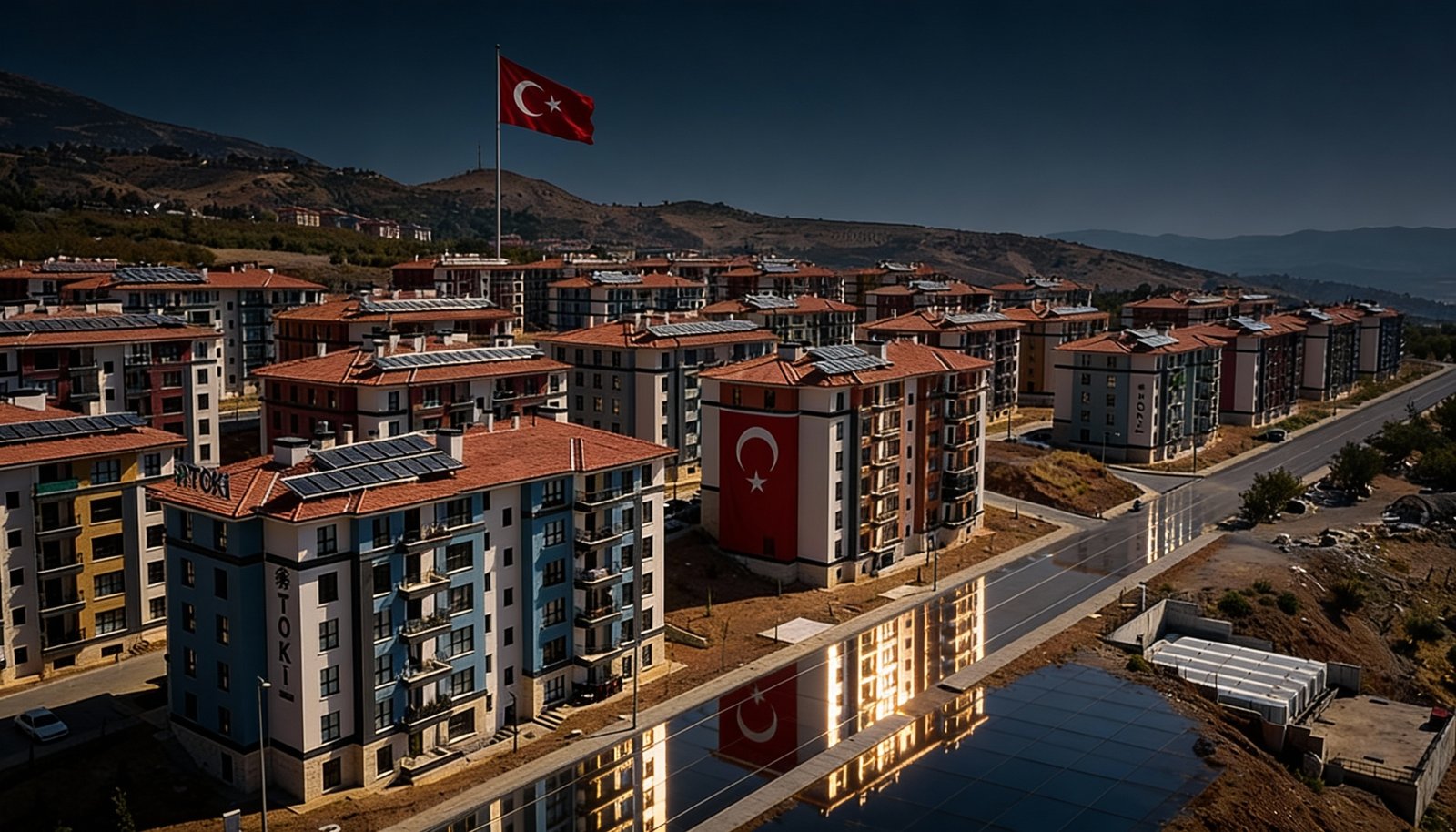
The reconstruction efforts following the 2023 earthquake represent one of the largest rebuilding operations in the history of Turkey. The figures reflect the scale of work accomplished and demonstrate the ability of the state and the construction sector to respond quickly, efficiently, and in an organized manner to restore residential and economic stability in the affected regions.
Reconstruction projects were distributed across 11 Turkish provinces, encompassing thousands of residential units and facilities, within a comprehensive plan focused on structural safety, urban planning, and rapid execution.
Distribution of Reconstruction Projects by Province
The data shows varying levels of reconstruction activity among the affected provinces, led by:
- Hatay: 153,755 units
- Malatya: 79,660 units
- Kahramanmaraş: 73,956 units
- Adıyaman: 43,366 units
- Gaziantep: 31,530 units
- Diyarbakır: 17,206 units
- Elazığ: 14,894 units
- Şanlıurfa: 13,429 units
- Osmaniye: 12,557 units
- Kilis: 2,569 units
- Bingöl: 89 units
This distribution reflects both the extent of damage and the priority of rapid intervention, within a unified central planning vision.
Figures Highlighting the Scale of the Operation
The reconstruction efforts extended beyond housing alone and included a comprehensive operational framework:
- 455,357 independent units, including homes and commercial properties
- 200,000 architects, engineers, and workers involved in execution
- 3,481 active construction workshops
- 108,000 square kilometers of reconstruction area
- 174 sites distributed across provinces
- 11 provinces within the reconstruction scope
These figures confirm that the response was not temporary, but rather a large-scale, long-term reconstruction project.
Reconstruction as a Pillar of Real Estate Market Stability
Reconstruction projects restored confidence in the Turkish real estate sector and reinforced the concept of safe, well-planned construction, positively impacting:
- Earthquake safety standards
- Urban planning quality
- Medium- and long-term market stability
This shift has encouraged investors to focus on safer cities and well-planned projects, away from areas of high population pressure.
Yalova… A Model for Conscious Investment
Within this context, Yalova has emerged as an attractive city for living and investment, thanks to its reliance on modern urban planning that combines quality of life with secure, sustainable investment.
Omran Turk… Building Based on Vision and Responsibility
Omran Turk approaches its projects with a deep understanding of the post-earthquake reconstruction experience, viewing real estate not merely as buildings, but as a social responsibility and a long-term investment, grounded in:
- Commitment to construction standards
- Smart spatial planning
- Selection of the most stable and secure locations
Conclusion
The figures reflecting reconstruction efforts after the 2023 earthquake demonstrate Turkey’s ability to transform crises into opportunities for stronger, more organized rebuilding. With reinforced safety standards and strategic planning, safe cities and well-designed projects have become the compass for investors seeking stability and trust in the Turkish real estate market.
Join The Discussion