



Building a private villa in Turkey is not just a construction project. It is both a residential and investment decision that requires careful planning from the very beginning. Choosing the land, studying the licensing process, preparing the design, executing the structural works, completing the finishes, and legally receiving the villa are all connected stages that determine the quality of the project and its future value.
In this guide, we explain the steps of building your own villa in Turkey from the first idea to turnkey delivery, while highlighting the most important points to consider before starting, especially for those thinking of building a villa in Yalova or in quiet Turkish cities suitable for living and investment.
Why Do Many People Prefer Building a Private Villa in Turkey?
Some investors and families prefer building a private villa instead of buying a ready-made property because custom construction gives them greater freedom in choosing the location, land size, number of rooms, view, interior layout, and quality of finishes.
Building a villa from scratch also makes it possible to design a home that suits the family’s lifestyle, whether the villa is intended for permanent residence, summer holidays, or long-term investment.
Step One: Define the Purpose of Building the Villa
Before buying land or starting the design, you should clearly define the main purpose of the project.
- Do you want a villa for permanent family residence?
- Are you looking for a summer villa in a city such as Yalova?
- Is the goal investment and rental income?
- Do you want to build a luxury villa with a sea view or a view of the green mountains?
Answering these questions helps determine the land area, location, building size, finishing level, and suitable budget.
For example, a villa designed for family residence needs a practical layout, storage areas, a garden, and parking spaces. An investment villa, on the other hand, needs an attractive design that is easy to rent, while also taking the location and surrounding services into account.
Step Two: Choose the Right Land
Choosing the land is the most important decision in a private villa construction project in Turkey. Good land does not only mean a beautiful view; it must also be buildable from both legal and technical perspectives.
When choosing land, several points must be checked:
- First, review the title deed, known as the Tapu, and confirm the type of land.
- Second, check the zoning status of the land and whether it is designated for residential construction.
- Third, review the permitted construction ratio, height limits, and number of floors.
- Fourth, study the land’s location in terms of roads, electricity, water, sewage, and nearby services.
- Fifth, pay attention to the soil type and slope, as these may affect the cost of foundations and execution.
In Turkey, owning the land is not enough to begin construction. The land must be suitable from a zoning perspective, and the municipality must allow construction on it according to the approved development plan.
Step Three: Study the Zoning Status and Licensing Requirements
After choosing the land, the licensing study begins. At this stage, the land’s zoning information is reviewed, including the construction ratio, setbacks, number of floors, permitted area, and type of use.
This stage is very important because it determines what you can actually build. You may buy a large piece of land, but the law may allow construction on only a specific percentage of it. Therefore, the purchase or design decision should not be made before clearly reviewing the zoning status.
In Turkey, the building permit, known as Yapı Ruhsatı, is the official authorization that allows construction work to begin. A project cannot be considered legal if construction starts before obtaining the required permit from the competent authority. Turkish Zoning Law No. 3194 addresses building permits and occupancy/use permits within its provisions related to construction and licensing.
Step Four: Prepare the Architectural Design
After confirming that the land is suitable for construction, the architectural design stage begins. This is where the idea turns into clear plans.
The architectural design includes the layout of rooms, living areas, kitchen, bathrooms, balconies, garden, parking spaces, and entrances. It also determines the facade style, window types, relationship between indoor and outdoor spaces, and how to benefit from the view.
In natural cities such as Yalova, it is important for the design to make use of the sea, forest, sunlight, and privacy. Good design does not focus only on appearance; it also considers daily comfort, ease of movement inside the home, ventilation, natural light, and efficient use of space without waste.
Step Five: Prepare the Engineering Projects
After the architectural design is approved, the required engineering projects are prepared, including the structural, mechanical, electrical, and plumbing projects.
This stage is essential because a villa is not built on exterior appearance alone. It is built on an integrated engineering system that ensures safety and quality. The structural project defines the foundations, columns, beams, slabs, and required quantities of steel and concrete. The electrical and mechanical projects define the networks for electricity, heating, cooling, water, drainage, and ventilation.
In Turkey, structural design must take earthquake-resistance requirements into account. AFAD has published information related to the Turkish earthquake code system. The modern earthquake regulation entered into force on January 1, 2019, and sets minimum requirements for the design and execution of earthquake-resistant buildings according to site and soil characteristics.
Step Six: Obtain the Building Permit
After the drawings and engineering projects are prepared, the licensing file is submitted to the municipality or the relevant authority. The file is reviewed to confirm that it complies with the zoning plan and technical regulations.
This stage usually includes reviewing the architectural, structural, electrical, and mechanical projects, in addition to the documents related to the land, the owner, and the responsible engineers.
Once approved, the building permit is issued, and construction can legally begin. This point should not be taken lightly, because building without a permit may lead to legal problems, fines, suspension of work, or difficulties during future sale and registration.
Step Seven: Choose the Right Construction Company
Choosing the construction company is the factor that connects the plans to reality. Even if the design is excellent, poor execution can cause problems in quality, timing, and costs.
When choosing a construction company to build a villa in Turkey, you should focus on practical experience, previous projects, clarity of the contract, site management method, material quality, and the company’s ability to deliver the project through clear stages.
A good company does not only carry out concrete work and finishes. It also helps you understand the full journey, from studying the land, reviewing the licensing process, and preparing the design, to execution and final delivery.
Step Eight: Sign a Clear Contract Before Execution
Before construction starts, a detailed contract should be signed. It should define the scope of work, execution stages, payment schedule, project duration, material specifications, finishing level, change mechanism, and warranties.
A clear contract protects both the client and the company. It is preferable for the contract to include a timeline linked to the execution stages, such as excavation, foundations, structure, insulation, installations, finishes, and delivery.
It should also specify whether the project will be executed on a turnkey basis or only for a specific stage. In a turnkey system, the company handles the full project until it is ready for use.
Step Nine: Start Excavation and Foundation Works
After obtaining the permit and signing the contract, on-site work begins. The first stage on site is land preparation, excavation, and then execution of the foundations according to the approved structural project.
This is one of the most important stages of construction because it carries the entire building. Therefore, it must be executed under precise engineering supervision, with commitment to the required concrete quality, steel quality, insulation, and quality tests.
On sloped lands or plots with views, the villa may require special structural solutions, such as retaining walls or rainwater drainage systems. For this reason, the nature of the land must be studied carefully before execution.
Step Ten: Execute the Structural Frame
After the foundations, the structural frame begins. This includes columns, beams, slabs, stairs, and main walls.
At this stage, the villa begins to take its real shape. However, what matters more than the appearance is strict adherence to the structural drawings, because any mistake in the structure may affect safety or cause additional costs later.
This stage should be followed by specialized engineers, with proper documentation of works and monitoring of the quality of materials used.
Step Eleven: Insulation and Installations
After the structural frame is completed, insulation and installation works begin. These include electrical wiring, water networks, sewage, heating, cooling, internet, and smart home systems if required.
Insulation is one of the most important elements in building a successful villa, especially roof insulation, bathroom insulation, balcony insulation, and insulation of walls exposed to moisture. Thermal insulation also helps reduce energy consumption and improve comfort inside the home.
Any mistake at this stage may not appear immediately, but it can cause future problems such as water leakage, humidity, weak heating performance, or difficult maintenance.
Step Twelve: Interior and Exterior Finishes
The finishing stage gives the villa its final identity. It includes flooring, doors, windows, paint, kitchens, bathrooms, lighting, facades, stone, wood, and the garden.
At this stage, it is important to balance beauty and quality. Choosing beautiful but impractical materials may cause problems in daily use. Luxury finishes also require precise execution in order to appear as intended.
If the villa is in Yalova or a natural area, the exterior design can become part of the property’s value through the garden, terrace, view, and outdoor seating areas.
Step Thirteen: Final Inspection and Villa Handover
Before receiving the villa, a comprehensive inspection of all works should be carried out. The quality of finishes, electrical and water systems, doors and windows, insulation, heating, drainage, kitchens, bathrooms, and garden should all be checked.
It is preferable to prepare a final snagging list before handover, so that any missing item or defect can be corrected before the project is fully received.
Good handover does not only mean that the villa looks beautiful. It means that everything works properly and that execution matches what was agreed upon.
Step Fourteen: Obtain the Occupancy Permit, Known as İskan
After construction is completed, the legal procedures related to using the building must be finalized. In Turkey, this document is known as Yapı Kullanma İzin Belgesi or İskan. It confirms that the building has been completed according to the permit and approved projects and can be officially used.
This document is extremely important because it is connected to the legal use of the property, utility services, sale, registration, and the villa’s future value. Therefore, the project should not be considered finished merely when the finishes are completed, but only after technical and legal handover is also finalized.
How Long Does It Take to Build a Villa in Turkey?
The duration of building a villa varies according to the project size, land conditions, speed of licensing, finishing level, and weather conditions. In general, a villa goes through consecutive stages that begin with design and licensing, followed by structural execution, finishes, and handover.
Simple projects may take less time, while luxury villas, difficult lands, or special designs require a longer period. For this reason, a realistic timeline should be set from the beginning, and quick, unstudied promises should not be relied upon.
What Is the Cost of Building a Villa in Turkey?
The cost of building a villa in Turkey cannot be determined with a fixed number without studying the project. The price is affected by several factors, including:
- Land location
- Built-up area
- Soil type
- Number of floors
- Type of structural system
- Finishing level
- Type of materials
- Presence of a swimming pool, garden, or parking areas
- Interior and exterior design requirements
Therefore, the best way to know the real cost is to prepare an initial study of the land and project, then set a clear budget according to the required specifications.
Why Is Yalova a Suitable Choice for Building a Private Villa?
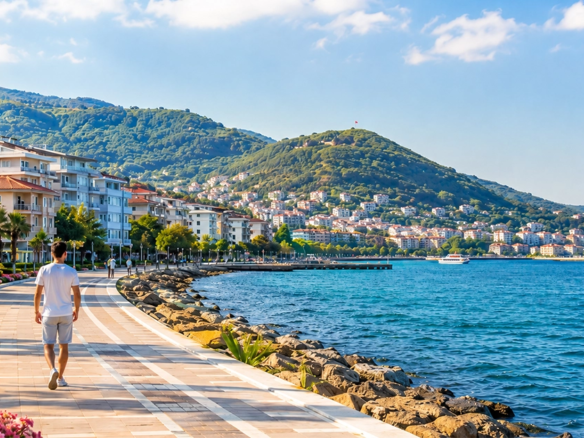
Yalova is one of the Turkish cities that combines nature, the sea, tranquility, and proximity to Istanbul, Bursa, and Kocaeli. For this reason, many people looking for a private villa prefer Yalova because it combines peaceful living with easy access to major cities.
Yalova’s mountainous and coastal nature also offers opportunities to design villas with distinctive views, whether over the sea, forests, or green spaces. This makes building a villa in Yalova a suitable option for families and investors seeking a different lifestyle and long-term real estate value.
Mistakes to Avoid When Building a Villa in Turkey
One of the most common mistakes is buying land before checking its zoning status. The land may appear suitable, but it may not allow the required construction or may require additional conditions.
Other mistakes include starting the design before knowing the permitted construction ratio, choosing a contractor without a clear contract, or focusing only on the cheapest price without reviewing execution quality.
It is also a mistake to ignore the insulation and installation stage, as it is one of the stages that most affects living comfort and the future quality of the villa.
How OmranTRK Helps You Build Your Own Villa
OmranTRK offers its experience in developing and executing residential projects in Yalova to help clients turn the idea of a private villa into a realistic and well-studied project.
We accompany you through the main stages of the project, from studying the land, identifying zoning possibilities, preparing the initial concept, and coordinating with specialists in design and licensing, all the way to execution, finishing, and handover.
Our goal is for the client to have a clear, safe, and organized building experience, away from randomness and unexpected surprises.
Frequently Asked Questions About Building a Villa in Turkey
Can a foreigner build a villa in Turkey?
Yes. A foreigner can build a villa in Turkey after legally owning land suitable for construction, while complying with the official procedures and permits required by the municipality and applicable laws.
Can you build on any land in Turkey?
No. It is necessary to confirm that the land is suitable for construction and has a zoning status that allows the required project. Therefore, the land must be checked before purchase or before starting the design.
What is the most important document before starting construction?
The most important document before execution begins is the building permit, Yapı Ruhsatı, because it is the legal authorization that allows construction works to start.
What is an occupancy permit or İskan in Turkey?
The occupancy permit, or İskan, is a document issued after construction is completed. It confirms that the building is suitable for use and complies with the approved project and building permit.
Is building a private villa better than buying a ready-made villa?
It depends on your objective. Building a private villa gives you greater freedom in design, location, and finishes, while buying a ready-made villa gives you speed in moving in and using the property. If you are looking for a villa designed according to your needs, custom construction may be the better option.
Start Building Your Own Villa with OmranTRK
If you own land in Turkey or are thinking of buying land and building a private villa, the first step is to obtain a clear study before making a decision.
Contact the OmranTRK team for an initial consultation about building your villa in Turkey. Let us help you study the land, develop the right concept, and execute your project through organized steps from the beginning to handover.
OmranTRK — from the idea to the key.


Join The Discussion